
Phone:(207) 481-8232
Author: hbjuesa8svbsdbsdf

Dental Care for Pets with Diabetes Requires Routine COHATs
Concerned about your diabetic pet's dental health? Read on for expert guidance!

Tips for Taking Care of Your Pet’s Teeth (For Pet Owners)
Watch it On-Demand!

Three Things You Can Do for Your Pet’s Teeth at Home
Do you have concerns about your pet's teeth and not sure what to do? Read on to learn more!

3 Things to Know When Shopping for Chews and Foods for Your Dog
Thinking about getting your dog some new toys or chews or wondering if what they have is good for their teeth? Read more to find out the does and don't for pet chews and foods for teeth!

Introducing Mainely Veterinary Dentistry’s Tooth Fairy Fund
This fund was created through the help and generosity of our amazing community. Donations benefit the pets of families who otherwise wouldn't be able to afford dentistry. We believe that no pet should have to live with a painful mouth or go without the dental care that they deserve.
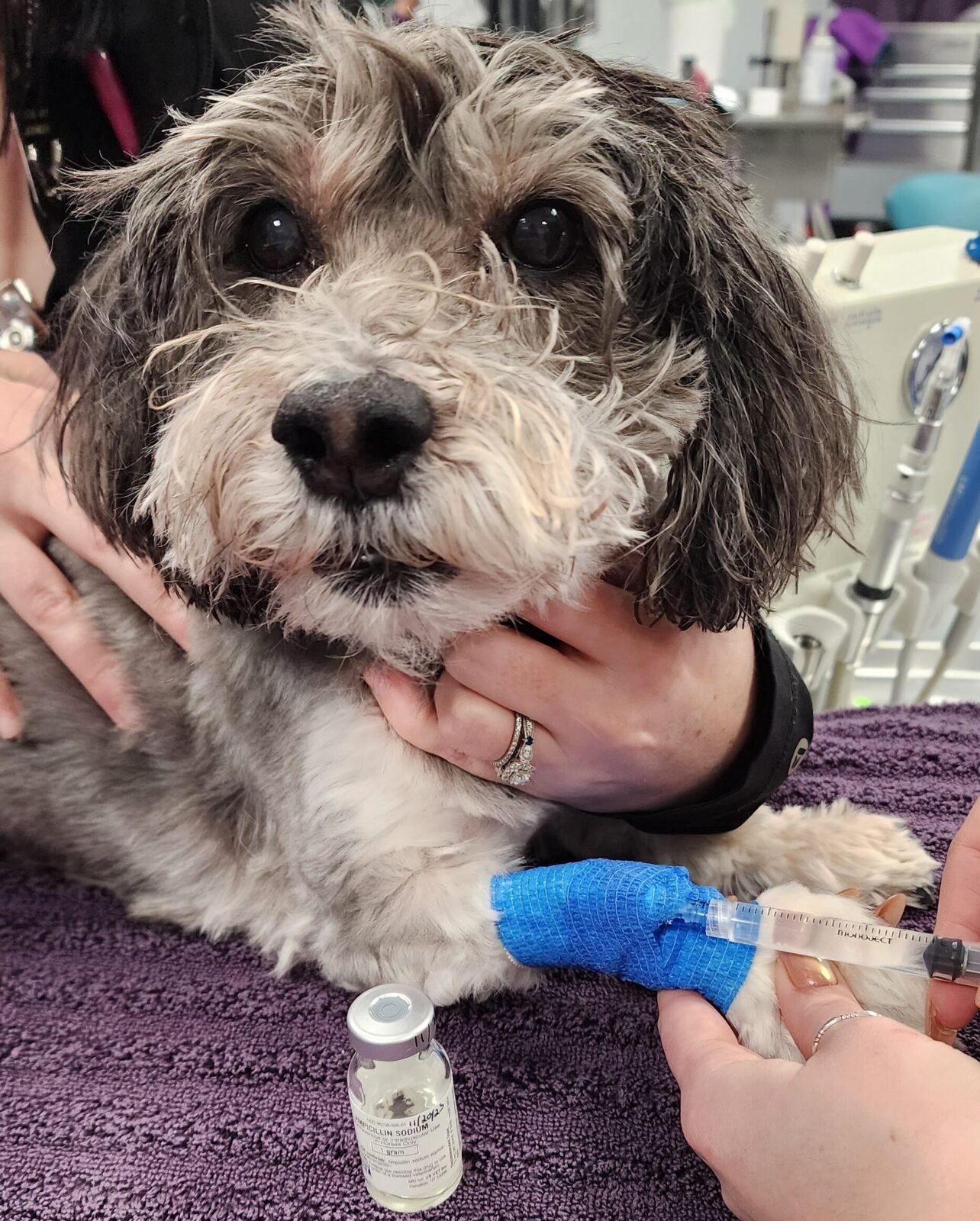
Appropriate antibiotic use in veterinary dentistry
Antibiotic resistant bacteria are a major problem in today's world. Responsible and judicious use of antibiotics in both people and animals is imperative. Antibiotics are often not necessary for veterinary dentistry and should be used cautiously.

So your dog broke their tooth? What do you do now?
What happens when a tooth is broken in an animal? Does it cause a problem? Is it painful? What, if anything, needs to be done? These are all great questions that many people ask when they discover that their beloved pet has a broken tooth.

Let’s talk about anesthesia and veterinary dentistry!
One of the biggest concerns pet parents have about regular routine COHATs for their pets is the need for general anesthesia. Check out this discussion of why it is necessary and how the risks are managed.

Cora’s success story: a journey to a life without oral pain
Success story of the month that will definitely give you all the feels.
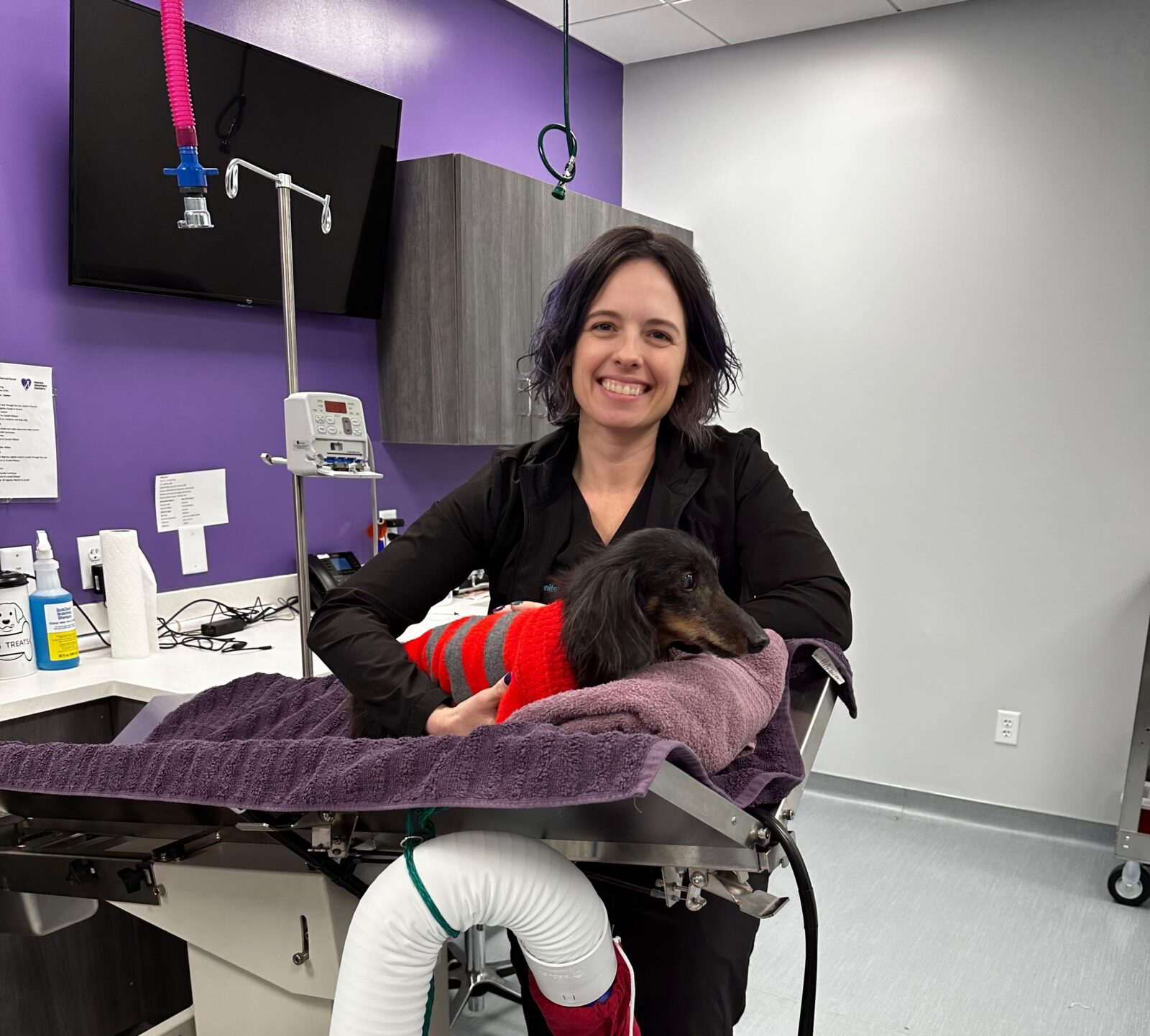
Ben’s Story: A true test of our mission
Ben is a 14 year old Dachshund that has a condition called Megaesophagus. This condition increases the risk of aspiration pneumonia especially during anesthesia. Ben had severe dental disease and a chronic, painful abscess that had to be treated for his quality of life. Read about how we managed this case for a very successful outcome.


