Phone:(207) 481-8232
Mental Health as a Pillar in Veterinary Medicine
Suzanne Pearson, CVBL, CMHC, reflects on supporting the people behind the care.
Suzanne Pearson, CVBL, CMHC, reflects on supporting the people behind the care.
Suzanne Pearson, CVBL, CMHC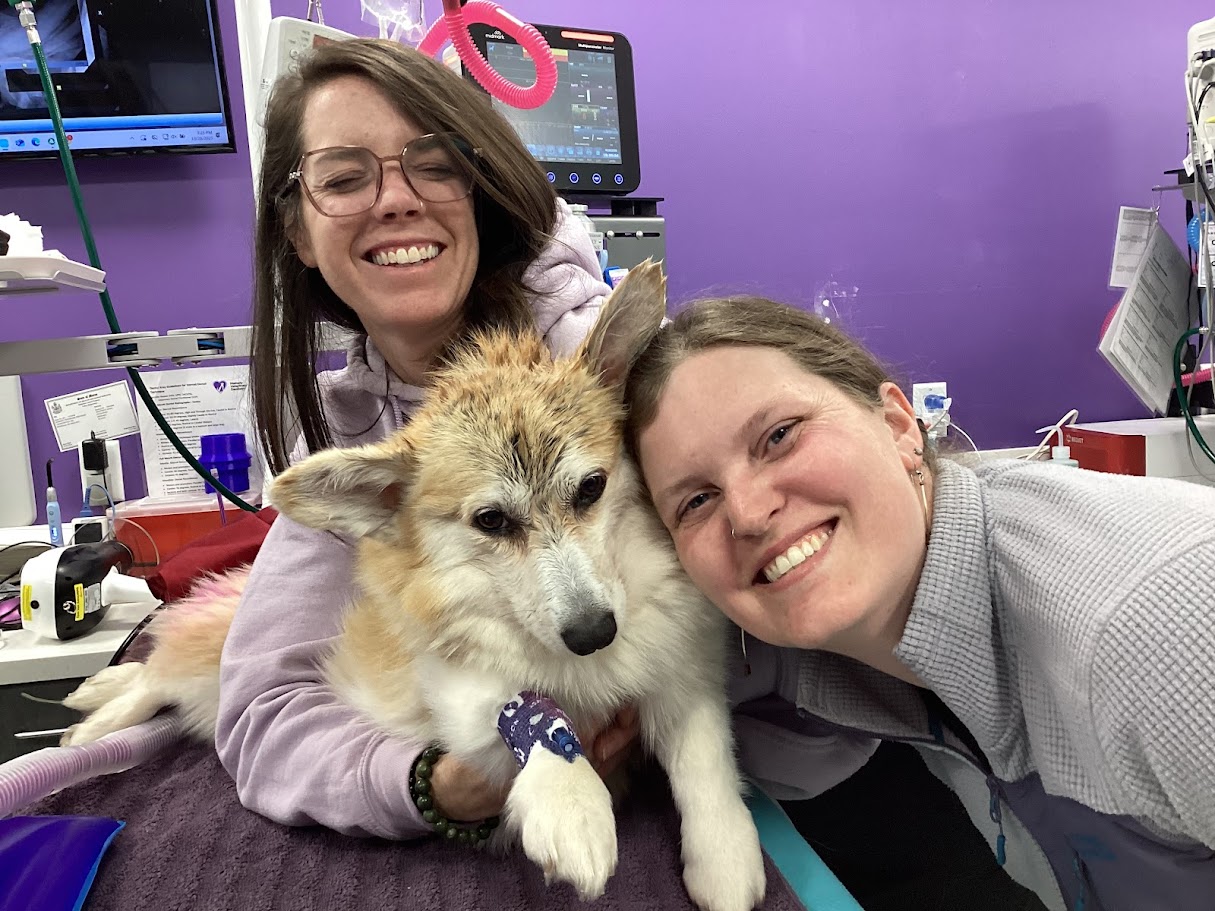
In veterinary medicine, we are trained to care deeply.
We care for our patients, for the people who love them, and for the teams we work alongside every day. And somewhere in the middle of that, it becomes very easy to forget that we are also human within this work.
May is Mental Health Awareness Month. It reminds us to pause, not as another task on the calendar, but as an invitation to reflect on something that is already present in everything we do: our mental wellbeing. Because mental health in veterinary medicine is not separate from the work, it is part of the work.
This field asks a lot of us and not just in skill or knowledge, but in emotional presence. We navigate complex conversations, financial limitations, ethical decisions, time pressure, and the quiet responsibility of caring for lives that cannot speak for themselves. We hold space for others constantly and often without realizing how much that takes from us over time.
Resilience is something that gets talked about a lot in our profession. But resilience without support can slowly turn into survival. And survival is not where people grow, connect, or feel supported in a meaningful way.
For a long time, strength in this field has looked like pushing through, staying busy, and holding everything together. But what I have come to believe both through my own experience and through working with teams is that real strength looks different.
It looks like pausing before reacting.
It looks like asking for help.
It looks like offering understanding instead of judgment when someone is having a hard day.
And sometimes, it looks like being honest with ourselves that we are not okay.
Mental wellbeing is not just an individual responsibility. It is something that is shaped and either supported or strained, by the culture we are part of. The way we show up for each other matters.
When people feel like they are part of a team, not just a schedule, it creates a sense of grounding. When individuals are trusted, supported, and encouraged to grow, they begin to feel more confident in their role. When we advocate for each other, speak up with respect, and communicate honestly, it builds a sense of safety that allows people to be more present in their work. And when care is extended not only to our patients, but to each other, it shifts the entire experience of the workplace. None of this requires perfection. But it does require intention.
It requires us to slow down enough to notice what is happening around us and within us. To respond instead of react. To choose honesty, even when it feels uncomfortable. To support growth, even when it takes time. These are small moments but they are powerful ones.
They are what create a culture where people feel seen, where communication becomes more open, and where feedback feels like support rather than criticism. They are what allow teams to move from simply functioning to actually connecting and achieving.
And when that happens, it doesn’t just impact the team, it impacts the care we provide.
Because the way we treat each other behind the scenes is reflected in the way we show up for our patients and their families.
Mental health support in veterinary medicine is built on small, consistent choices, not just large-scale changes. This support is closely tied to everyday leadership, which is expressed not only through official titles but through actions, the tone of communication, active listening, and creating a safe space for colleagues to speak and be heard.
Over time, these choices build something steady; something people can rely on.
The human-animal bond is at the heart of veterinary medicine. But behind every patient is a team of people each carrying their own experiences, challenges, and inner world.
Mental health matters because people matter.
And when we begin to treat mental wellbeing as a foundation, not an afterthought, we create a stronger, more compassionate, and more sustainable way of working. And we do it for our teams, for our clients, and for the animals we care for every day.
We do it because caring for the human behind the medicine is part of how we honor the bond we are here to protect.