Phone:(207) 481-8232
Infected Paw Wound in a Cat: Bella’s Urgent Care Story
Bella came to urgent care with an infected paw wound that required treatment, rechecks, and a little extra time to heal.
Bella came to urgent care with an infected paw wound that required treatment, rechecks, and a little extra time to heal.
Case of the Month: Meet Bella!
Bella is a sweet 17-year-old domestic shorthair cat who came to our Urgent Care service in late July with an infected wound on her left front paw.
Bella also has a history of asthma that is successfully managed with steroid therapy. Steroids can be very helpful for controlling chronic conditions, but long-term use can suppress parts of the immune system and make some pets more susceptible to infections.
After examining Bella’s paw, our team cleaned the wound and sent her home with antibiotics, a protective cone, and a medicated wash for her family to use at home.
About a week later, we checked in with Bella’s family and were happy to hear that the infection appeared to have cleared.
Unfortunately, a few weeks later Bella returned to Urgent Care when the paw became infected again.
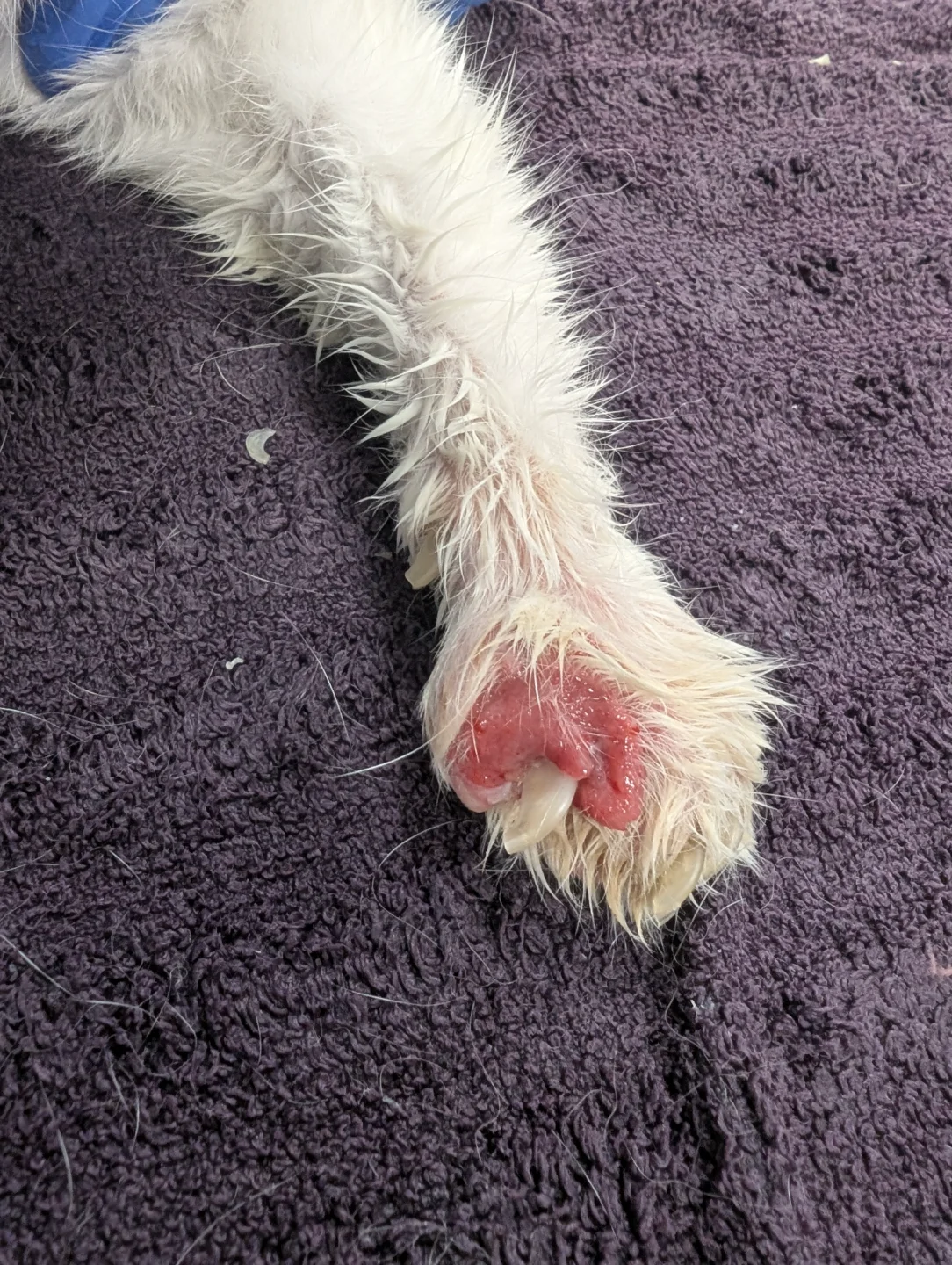
This time, we repeated the wound care and prescribed a longer course of antibiotics. We also recommended that Bella return for a recheck in two weeks so we could make sure the infection was continuing to improve.
Bella’s case is a good reminder that treating a wound infection is not always a one-and-done process.
Antibiotics may begin improving an infection quickly, but that does not always mean the problem has completely resolved. Depending on the wound, the pet’s overall health, and how the infection responds, treatment may need to continue longer than originally expected.
Recheck examinations give the veterinary team an opportunity to:
This can be especially important for senior pets or animals taking medications that affect the immune system.
Bella returned for additional rechecks after her second urgent care visit, allowing our team to monitor the paw closely as it healed.
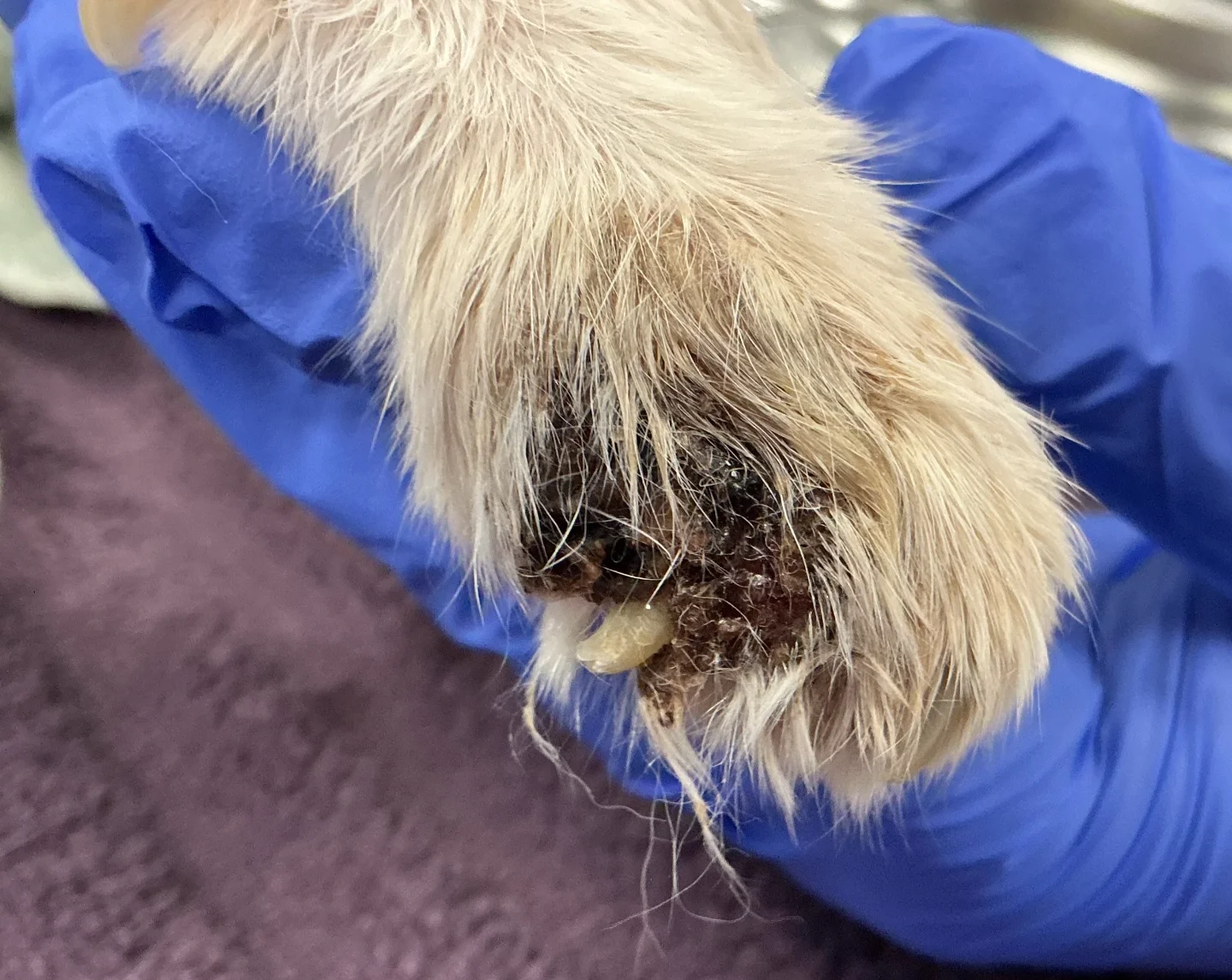
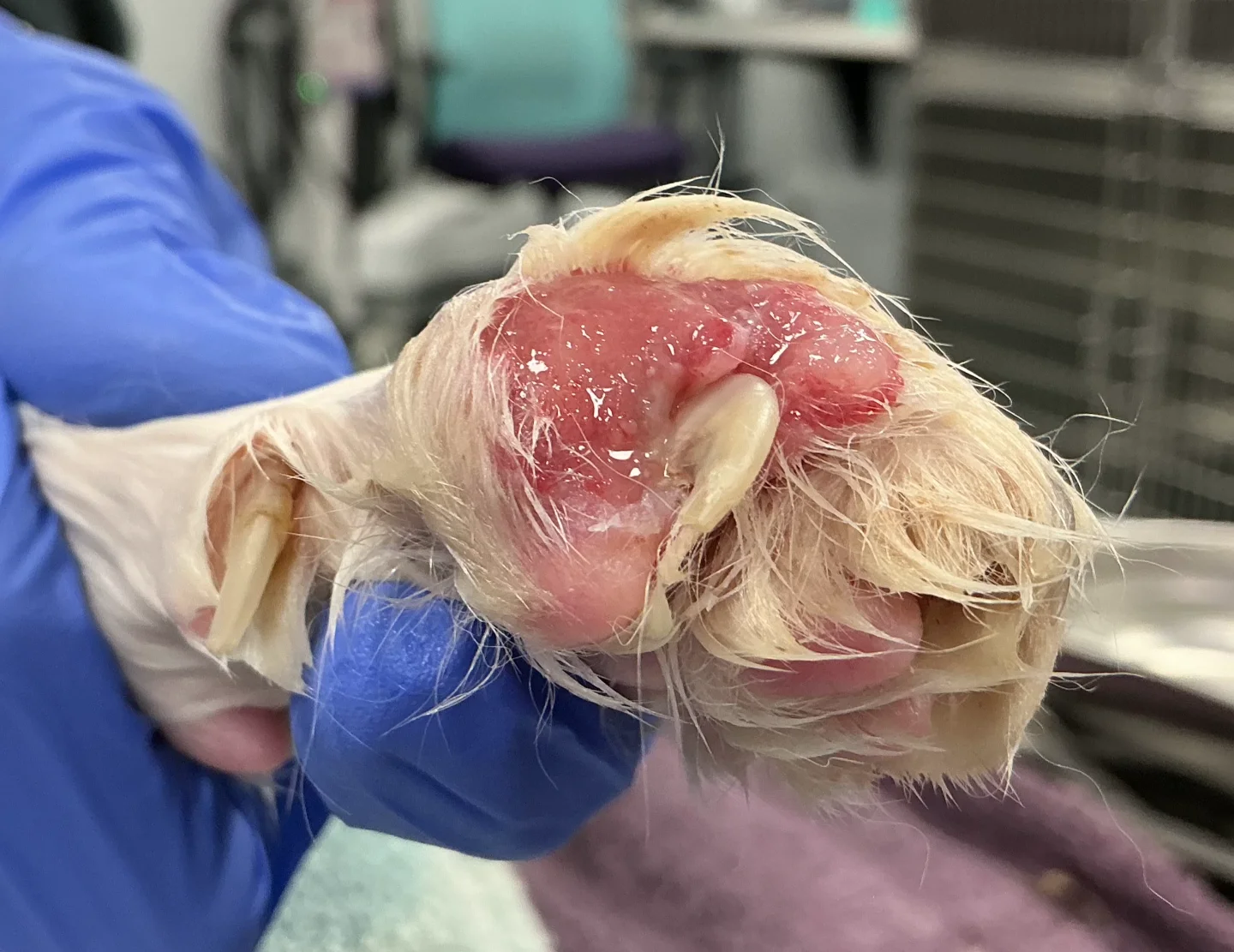
At each visit, Bella’s wound was slowly but steadily improving. Even better, her family noticed that she was becoming happier and more like herself at home.
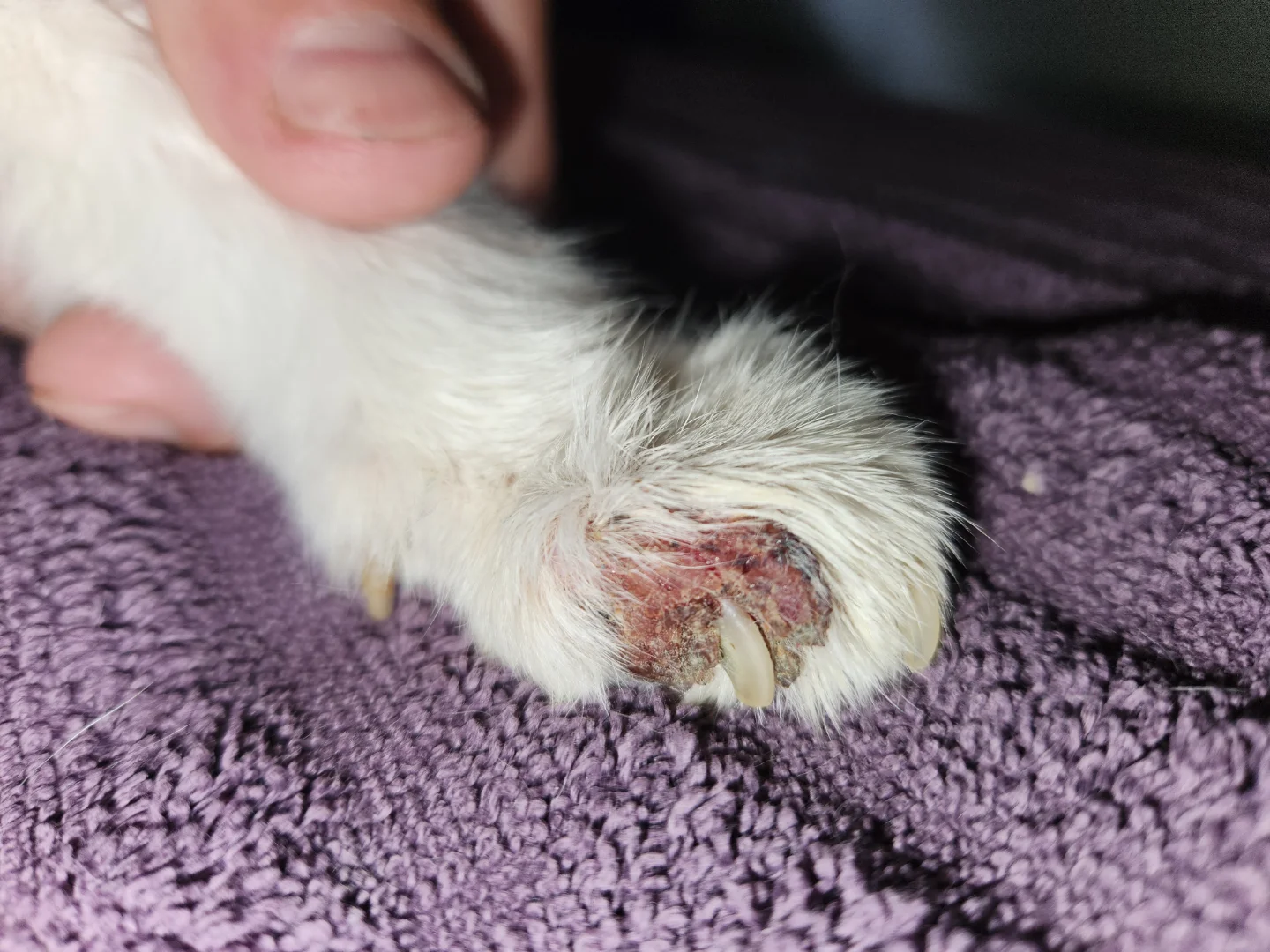
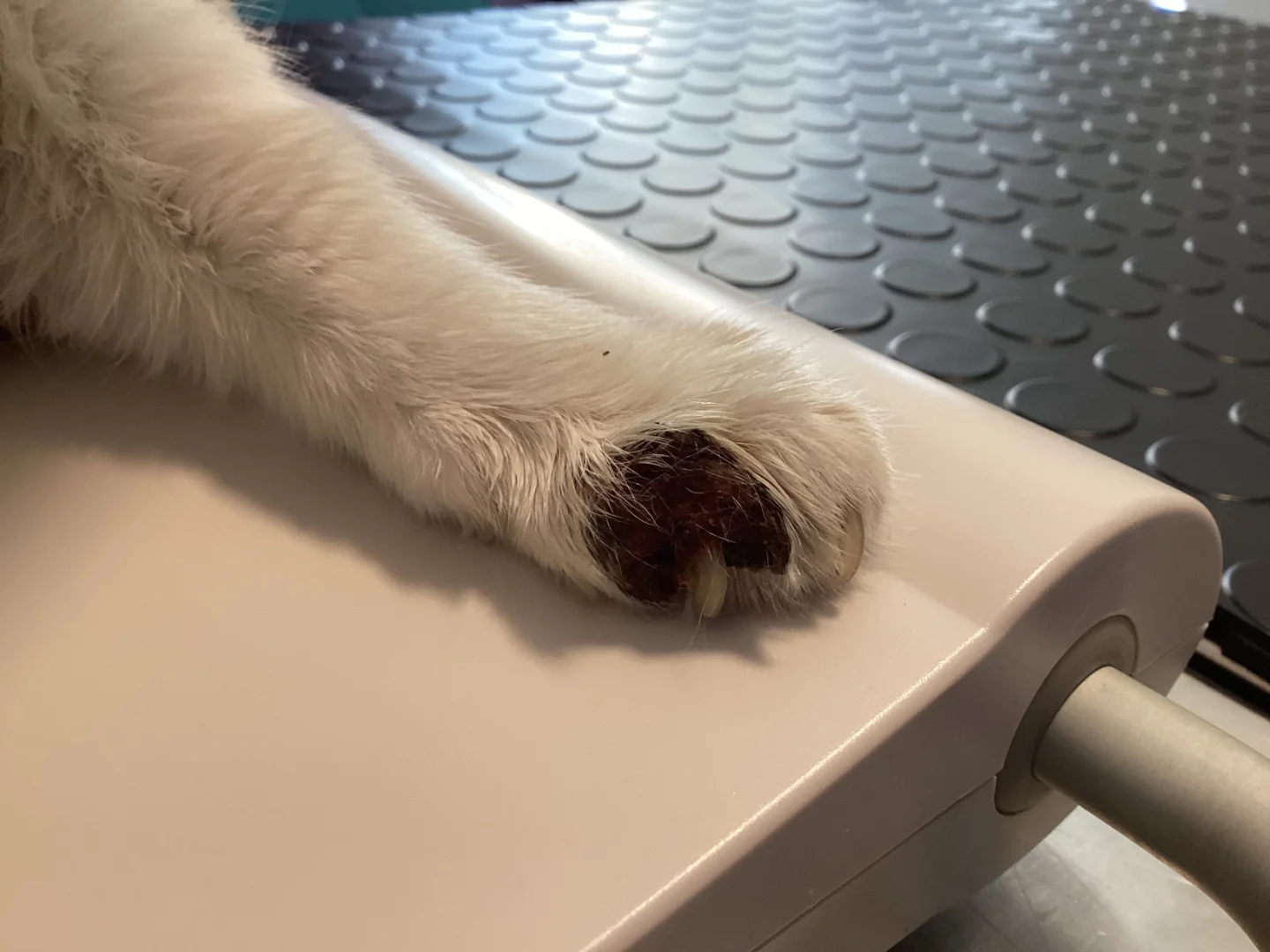
After her most recent visit, Bella was able to stop her antibiotics and allow her body to continue the remaining healing process.
Small scrapes may sometimes heal without extensive treatment, but wounds should be evaluated when there are signs of infection or the area is not improving.
Signs that may indicate a wound needs veterinary attention include:
Senior pets and animals with underlying medical conditions may also need closer monitoring while a wound heals.
Bella’s healing process took time, but each recheck allowed us to make sure her treatment remained appropriate and that the infection was continuing to improve.
We are so happy that Bella is feeling better and getting back to being herself at home.
Her case is an important reminder to complete medications as directed and return for recommended rechecks, even when an infection initially appears to be improving.
We are grateful to Bella’s family for trusting our team with her care over the past several months.
Mainely Veterinary Dentistry & Urgent Care provides weekend care for non-life-threatening wounds, skin infections, and other illnesses and injuries affecting dogs and cats throughout Southern Maine.
If your pet has a wound that looks infected, is not healing normally, or has started getting worse again, visit our Urgent Care Services page to learn more.