Phone:(207) 481-8232
Root Canal vs. Extraction for a Broken Dog Tooth
A broken tooth doesn’t always need to be extracted. Learn when root canal therapy may help save an important tooth and what the procedure involves.
A broken tooth doesn’t always need to be extracted. Learn when root canal therapy may help save an important tooth and what the procedure involves.
A broken tooth can be painful for your dog, especially when the fracture exposes the sensitive pulp inside the tooth. When this happens, treatment is important to relieve pain and prevent infection.
Extraction is one option, but it isn’t always the only one. At Mainely Veterinary Dentistry & Urgent Care, we also offer root canal therapy for certain fractured or damaged teeth, allowing many pets to keep an important natural tooth.
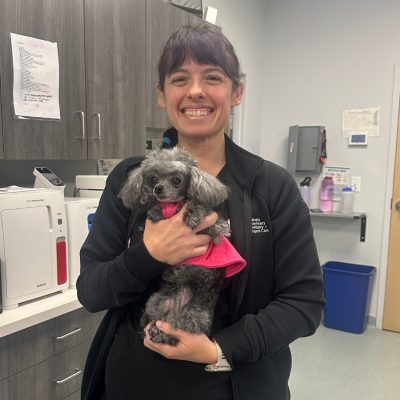
In this video, Dr. Jennifer Keaten explains how veterinary root canals work, which teeth are commonly treated, and some of the factors that can help determine whether a root canal or extraction makes the most sense for your pet.
Dogs can fracture teeth in many ways. Dr. Keaten commonly sees fractures involving the large canine teeth at the front of the mouth and the upper fourth premolar, sometimes called the carnassial tooth. These are substantial teeth that dogs use for grabbing, chewing, and breaking down food.
Hard objects can be a major contributor to tooth fractures. Bones, antlers, and other extremely hard chew items can place enough force on a tooth to break it, which is one reason our team does not recommend them.
When a fracture reaches the pulp cavity in the center of the tooth, the nerve and blood supply become exposed. Bacteria from the mouth can then enter the tooth, resulting in inflammation, infection, and eventually disease around the root. A fractured tooth with pulp exposure should therefore be treated rather than simply monitored indefinitely.
The basic goal of root canal therapy is to remove the diseased or damaged soft tissue from inside the tooth while preserving the tooth itself.
As Dr. Keaten explains:
“We actually file out the center of the tooth, and then we fill it with a filling material and restore the crown.”
During the procedure, the pulp tissue containing the nerve and blood vessels is removed from the root canal. The canal is then cleaned, disinfected, filled, and sealed so bacteria can no longer occupy that space.
The number and shape of the roots vary depending on the tooth. A canine tooth has one large root, while the large upper carnassial tooth has three roots that must be treated.
The tooth is no longer vital after root canal therapy because its nerve and blood supply have been removed, but the tooth itself remains securely in the mouth and can continue to function.
The biggest advantage is simple: your pet gets to keep the tooth.
This can be particularly valuable for large, functionally important teeth such as the canines and carnassial teeth. The American Veterinary Dental College identifies root canal therapy as an advanced treatment used to save fractured teeth rather than extracting them.
Root canal therapy is also generally less invasive than surgically extracting one of these large teeth. Extracting a large canine or carnassial tooth may require an incision in the gum, removal of some surrounding bone, and elevation of the tooth and its roots.
With a root canal, treatment occurs primarily through the inside of the existing tooth.
“It’s way easier for an animal to recover generally from a root canal because it’s less invasive,” explains Dr. Keaten.
For many pets, that can mean a relatively quick return to their normal routine.
No. Whether a tooth can be saved depends on the individual tooth and your pet.
Our veterinary dental team will evaluate the tooth and dental imaging before recommending treatment. Factors that may affect whether root canal therapy is appropriate include:
As dogs age, the pulp cavity inside their teeth naturally becomes narrower. In some older pets, this can make root canal treatment technically more difficult or prevent a tooth from being an appropriate candidate.
Some badly damaged or unhealthy teeth are better treated with extraction. The goal is not to save every tooth at all costs, but to choose the treatment that provides a comfortable, healthy, functional result for that particular pet.
After treatment, our team generally recommends follow-up dental imaging approximately 6 to 12 months later to make sure the tooth is healing appropriately and the root canal remains successful.
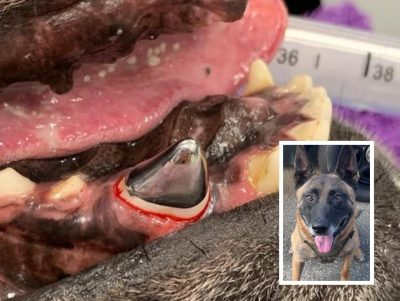
Depending on the tooth and your pet’s lifestyle, we may also recommend a veterinary dental crown to provide additional protection. Crowns may be particularly helpful for working dogs, service dogs, or pets that place significant stress on important teeth.
A fractured tooth should not be ignored simply because your dog is still eating or acting normally. Dogs often continue their normal routines despite significant oral discomfort.
If you notice a broken tooth, a red or dark spot in the center of a fractured tooth, tooth discoloration, swelling around the mouth, or other signs of dental pain, a veterinary dental examination can determine how extensive the damage is.
You can also read more about what to do if your pet has a broken tooth.
At Mainely Veterinary Dentistry & Urgent Care, our team provides advanced dental care for pets throughout Maine and the surrounding region. When a damaged tooth can be preserved, root canal therapy may provide an alternative to extraction while allowing your pet to keep an important natural tooth.
Every case is different, and our team can walk you through the advantages, limitations, cost considerations, and expected recovery for each treatment option so you can make an informed decision for your pet.
Learn more about our veterinary root canal services or schedule a dental appointment online.